- No.
- C-1
- From
- Room One, the head office desk in Taubaté
- To
- Whoever keeps a full week in order
- Re
- Second readings
Read It Twice Before Filing
In a company whose whole job is to keep track of other companies, the folder is the end of the line. Once a paper goes in, nobody looks at it again until something forces them to. So nothing goes in after just one look.
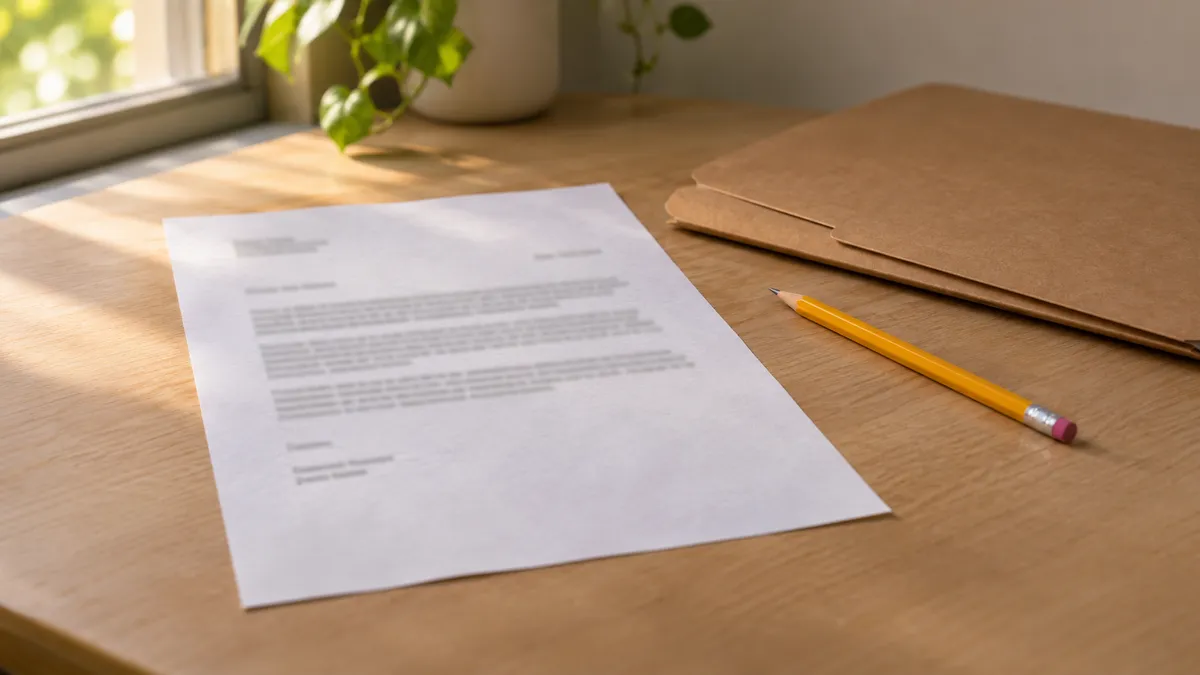
Why the desk does it
A contract clause, a letter from a partner, the minutes of a meeting: each one arrives, gets read, and seems perfectly clear. Then a week passes, someone asks a question about it, and the clear picture has faded to a few words and a vague sense of the tone. That is not carelessness. It is simply what happens to something taken in once and put away.
The office rule is plain. Read the paper when it comes in. Read it again before it is filed, ideally the next morning, and read the key lines aloud the second time. Only then does it go into the folder.
Researchers who study learning have a name for the general idea: spacing. Coming back to the same material after a gap, instead of going over it many times in one sitting, tends to help people recall it later. Saying it aloud adds a second channel, the voice and the ear, on top of the eye. Nobody at a filing cabinet needs the theory to see that it works.
Carrying it home
The habit travels well beyond paperwork. The instructions for a new appliance, the plan for a family trip, a recipe a friend dictated over the phone, a long article you meant to remember: all of them stick better on the second pass than the first. The trick is that the second pass is short and deliberate, not a full reread.
On your own desk
- When something is worth keeping, mark the three or four lines that carry it.
- Leave it overnight, then read just those lines again the next morning, out loud, in your own voice.
- Only after that second reading, file it, put it on the fridge, or let it go.